Health careers
Clinical shadowing in high school
What hospitals and clinics usually ask of high school students who want to shadow: age minimums, TB tests, immunizations, HIPAA training and consent forms, and how to request a spot.
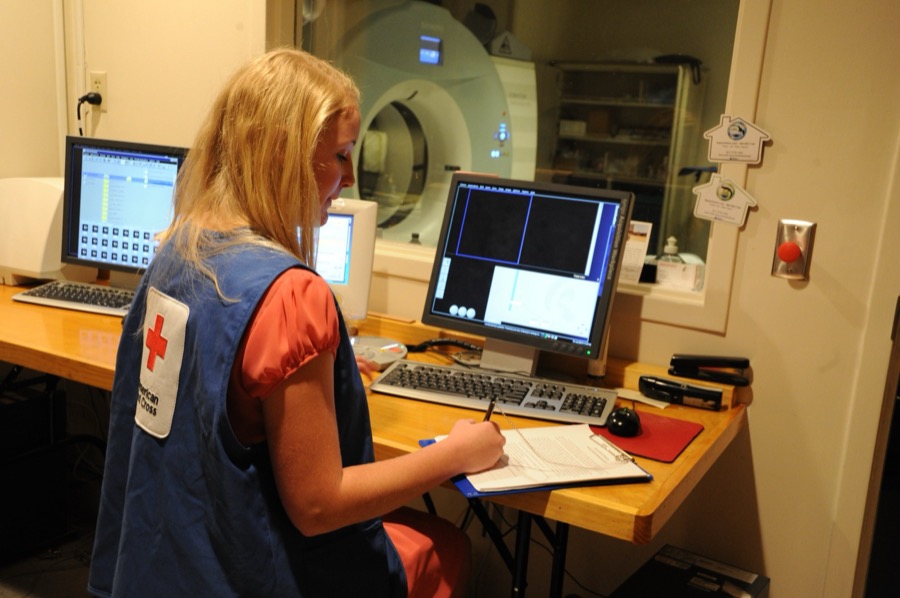
Shadowing means spending time watching a doctor, nurse, therapist or other clinician at work. You observe; you do not treat patients. For students thinking about medicine or nursing, it is one of the best ways to find out what the work is really like, and it is worth doing well.
What hospitals and clinics usually ask for
Every site sets its own rules, so treat this as a list of what to expect rather than a promise:
- An age minimum. Many sites start at 16, and some only take students 18 and over.
- A TB test and proof of immunizations, and often a flu shot during flu season.
- HIPAA training, so you understand patient privacy before you walk in.
- Signed forms: a confidentiality agreement, and a parent's consent if you are under 18.
- An application and sometimes a short interview or orientation.
How to ask, and how to behave once you are there
- Apply through the site's program when it has one. It is faster than cold emails, and it is how most sites want to be approached.
- Have your documents ready before you ask, so a yes is not held up by a missing TB test.
- Dress as the site asks, arrive early, and keep your phone away.
- Never share anything about a patient, anywhere, ever.
Shadowing on Volanee
On Volanee, you keep your documents in one encrypted place: TB test, immunizations, HIPAA certificate and consent forms, with their expiry dates tracked. When you request a shadowing spot, you attach what the site asks for in a tap, and expired documents cannot be attached. The hospital sees only what you attach to its request. Confirmed shadowing hours go on your verified record in their own category.
A hospital or clinic? See how Volanee handles student observers and their documents.
Volanee for hospitals